Tips & Advice From ARC Rehabilitation & Pilates
Tips & Advice From ARC Rehabilitation & Pilates
Sciatica: What NOT to Do (And Why Stretching the Nerve Can Make It Worse

Sciatica: What Not to Do — And Why Stretching It Can Make Things Worse
If you’ve ever experienced sciatica, you’ll know how frustrating it can be.
Pain, tightness, or tension through the buttock.
Down the back of the thigh.
Sometimes into the calf, foot, or outside of the shin.
And almost everyone thinks the same thing:
“It feels tight… I must need to stretch it.”
That instinct makes sense — but when it comes to sciatica, stretching is often the last thing you should be doing.
The Common Mistake With Sciatica
Sciatica isn’t a muscle problem.
It’s a nerve problem.
Yet most people treat it like a tight hamstring or glute — stretching it repeatedly, hoping it will ease off.
Sometimes this gives short-term relief.
But very often, the pain returns… or even worsens.
Here’s why.
Think of the Sciatic Nerve Like a Rope
Imagine your sciatic nerve like a rope running from your lower back, through the pelvis, and down the leg.
Now imagine there’s irritation or compression near the top of that rope — close to the spine.
This could be coming from:
A disc issue
A joint problem
Tight surrounding muscles
Reduced space around the nerve
If one end of the rope is already irritated, and you start aggressively stretching the other end (by pulling the leg, bending forward, or stretching the hamstrings), what happens?
It’s like a game of tug-of-war.
You’re not freeing the rope — you’re pulling harder on something that’s already sensitive.
And nerves don’t respond well to that.
Why Stretching Works for Muscles — But Not for Nerves
Muscles and tendons are soft tissue.
They’re elastic, adaptable, and designed to lengthen.
Nerves are different.
They’re highly sensitive and don’t tolerate compression or tension very well.
They can become irritated easily — especially when repeatedly pulled on.
That’s why stretching the back of the leg when you have sciatica often leads to:
Temporary relief
Followed by the pain returning
Sometimes worse than before
You’re stretching muscle and nerve together — and the nerve is usually the limiting factor.
So What Should You Do Instead?
The goal with sciatica isn’t to pull harder on the nerve.
The goal is to:
Reduce irritation at the source
Improve how the spine and hips are moving
Build strength so the nerve isn’t constantly being aggravated
This requires understanding where the problem is coming from — not just where the pain is felt.
And that’s why generic stretches and random exercises so often fail.
Not All Sciatica Is the Same
This is a crucial point.
Two people can have very similar sciatic pain down the leg — but completely different underlying causes.
That’s why a one-size-fits-all approach doesn’t work.
At ARC Rehabilitation & Pilates, we focus on:
Identifying the root cause of your sciatica
Understanding why it hasn’t settled
Creating a structured rehabilitation plan based on your body
We don’t hand out generic stretch sheets or guess our way through it.
We assess properly, explain what’s going on in clear language, and guide you through a plan designed to actually resolve the issue — not just mask it.
How We Help at ARC
Our approach to sciatica is rehabilitation-led.
That means:
Understanding what’s irritating the nerve
Removing the things that keep winding it up
Improving mobility where needed
Building strength and confidence so your body can tolerate everyday life again
Once you understand the why, recovery becomes far more straightforward — and far less frustrating.
Ready to Get Help?
If you’re experiencing sciatica, or if stretching and rest haven’t worked, getting proper guidance can make all the difference.
You don’t have to guess your way through it.
👉 Book an appointment with us today - Book An Appointment
Let us help you get to the root of the problem and start you on the path to recovery.

Sciatica: What NOT to Do (And Why Stretching the Nerve Can Make It Worse
Sciatica: What Not to Do — And Why Stretching It Can Make Things Worse
If you’ve ever experienced sciatica, you’ll know how frustrating it can be.
Pain, tightness, or tension through the buttock.
Down the back of the thigh.
Sometimes into the calf, foot, or outside of the shin.
And almost everyone thinks the same thing:
“It feels tight… I must need to stretch it.”
That instinct makes sense — but when it comes to sciatica, stretching is often the last thing you should be doing.
The Common Mistake With Sciatica
Sciatica isn’t a muscle problem.
It’s a nerve problem.
Yet most people treat it like a tight hamstring or glute — stretching it repeatedly, hoping it will ease off.
Sometimes this gives short-term relief.
But very often, the pain returns… or even worsens.
Here’s why.
Think of the Sciatic Nerve Like a Rope
Imagine your sciatic nerve like a rope running from your lower back, through the pelvis, and down the leg.
Now imagine there’s irritation or compression near the top of that rope — close to the spine.
This could be coming from:
A disc issue
A joint problem
Tight surrounding muscles
Reduced space around the nerve
If one end of the rope is already irritated, and you start aggressively stretching the other end (by pulling the leg, bending forward, or stretching the hamstrings), what happens?
It’s like a game of tug-of-war.
You’re not freeing the rope — you’re pulling harder on something that’s already sensitive.
And nerves don’t respond well to that.
Why Stretching Works for Muscles — But Not for Nerves
Muscles and tendons are soft tissue.
They’re elastic, adaptable, and designed to lengthen.
Nerves are different.
They’re highly sensitive and don’t tolerate compression or tension very well.
They can become irritated easily — especially when repeatedly pulled on.
That’s why stretching the back of the leg when you have sciatica often leads to:
Temporary relief
Followed by the pain returning
Sometimes worse than before
You’re stretching muscle and nerve together — and the nerve is usually the limiting factor.
So What Should You Do Instead?
The goal with sciatica isn’t to pull harder on the nerve.
The goal is to:
Reduce irritation at the source
Improve how the spine and hips are moving
Build strength so the nerve isn’t constantly being aggravated
This requires understanding where the problem is coming from — not just where the pain is felt.
And that’s why generic stretches and random exercises so often fail.
Not All Sciatica Is the Same
This is a crucial point.
Two people can have very similar sciatic pain down the leg — but completely different underlying causes.
That’s why a one-size-fits-all approach doesn’t work.
At ARC Rehabilitation & Pilates, we focus on:
Identifying the root cause of your sciatica
Understanding why it hasn’t settled
Creating a structured rehabilitation plan based on your body
We don’t hand out generic stretch sheets or guess our way through it.
We assess properly, explain what’s going on in clear language, and guide you through a plan designed to actually resolve the issue — not just mask it.
How We Help at ARC
Our approach to sciatica is rehabilitation-led.
That means:
Understanding what’s irritating the nerve
Removing the things that keep winding it up
Improving mobility where needed
Building strength and confidence so your body can tolerate everyday life again
Once you understand the why, recovery becomes far more straightforward — and far less frustrating.
Ready to Get Help?
If you’re experiencing sciatica, or if stretching and rest haven’t worked, getting proper guidance can make all the difference.
You don’t have to guess your way through it.
👉 Book an appointment with us today - Book An Appointment
Let us help you get to the root of the problem and start you on the path to recovery.
Ask ARC Rehabilitation & Pilates And Their Team
Fill in the form to request a call from our team. One of our team members will call you for FREE and answer any questions or concerns you may have about your condition
I give consent to use this information to send additional emails and communications. By providing my phone number, I agree to receive text messages from the business as described in your privacy policy
Ask ARC Rehabilitation & Pilates And Their Team
Fill in the form to request a call from our team. One of our team members will call you for FREE and answer any questions or concerns you may have about your condition
I give consent to use this information to send additional emails and communications. By providing my phone number, I agree to receive text messages from the business as described in your privacy policy
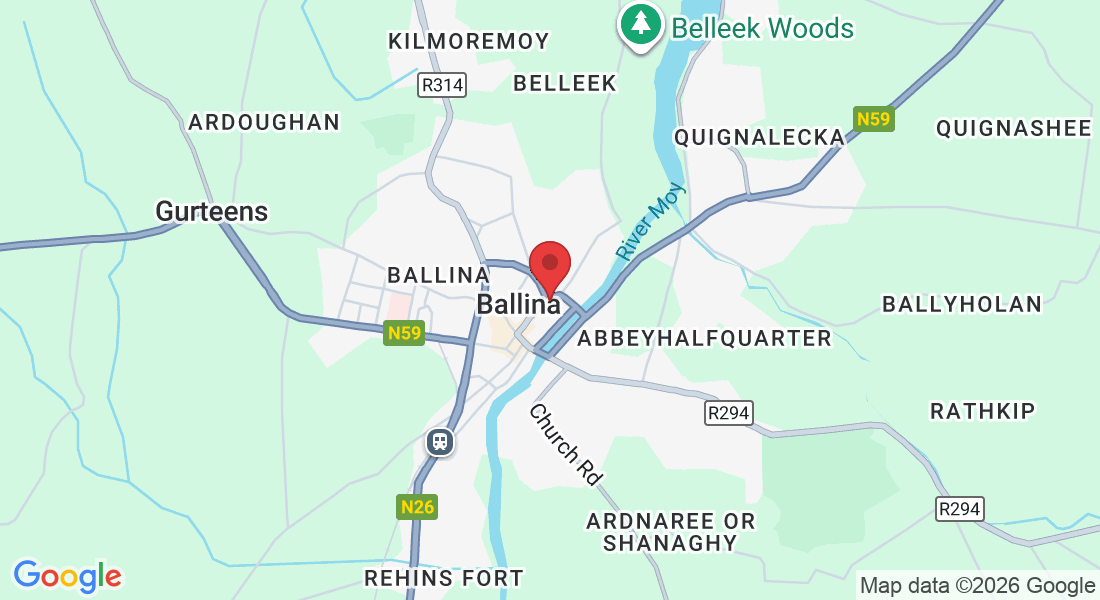
Where To Find ARC Rehabilitation & Pilates
If you have any questions before scheduling an appointment or for general inquiries, please use the contact us button below. Our team will promptly reach out to assist you.
Opening Hours
Monday: 9:30am – 8:00pm
Tuesday: 9:30am – 8:00pm
Wednesday: 9:30am – 8:00pm
Thursday: 9:30am – 8:00pm
Friday: 9:30am – 1:00pm
Saturday: Closed
Sunday: Closed

The Clinic
Conditions We Treat
Opening Hours
Monday: 9:30am – 8:00pm
Tuesday: 9:30am – 8:00pm
Wednesday: 9:30am – 8:00pm
Thursday: 9:30am – 8:00pm
Friday: 9:30am – 1:00pm
Saturday: Closed
Sunday: Closed
How To Get In Touch
© Copyright 2026 ARC Rehabilitation & Pilates. All Rights Reserved.