Struggling with ongoing pain or a new injury?
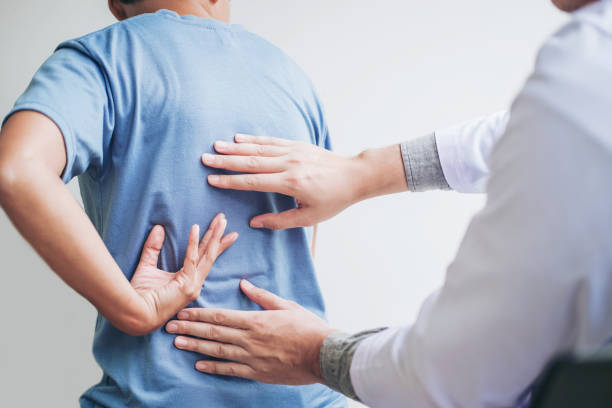
Struggling with ongoing pain or a new injury?
Experts in Rehabilitation and Relieving Pain
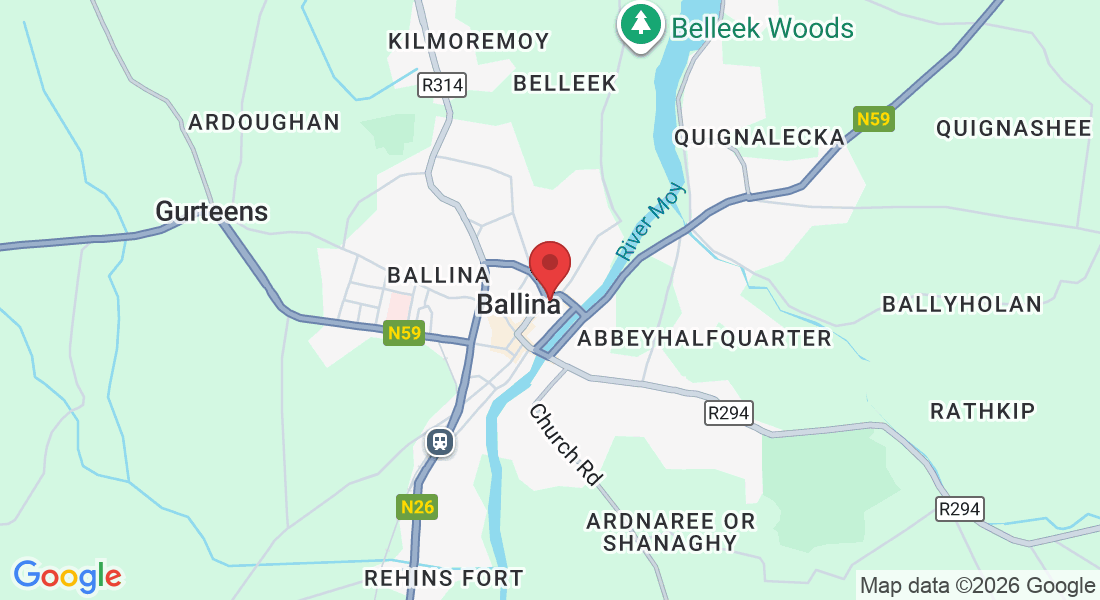
Ballina, Co. Mayo
Before You Book Your Appointment, Here's Just A Handful
Of Our 1000+ Patients Success Stories To Put Your Mind At Ease
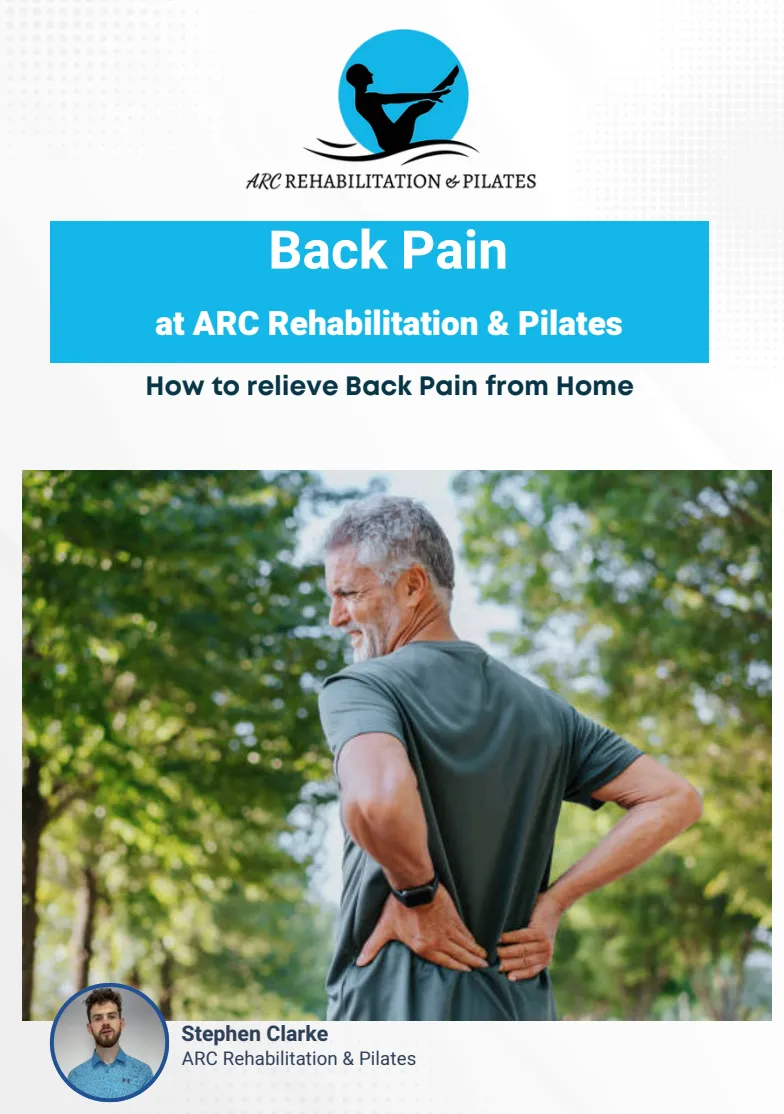
Download Your FREE Back Pain Information eBook:
Click the button below to get your FREE eBook
Experts in Rehabilitation and Relieving Pain
Ballina, Co. Mayo
Before You Book Your Appointment, Here's Just A Handful
Of Our 1000+ Patients Success Stories To Put Your Mind At Ease
Download Your FREE Back Pain Information eBook:
Click the button below to get your FREE eBook
Rehab-Led Care in Ballina, Co. Mayo
Have you persistent or recurring pain?
Feel stiff, restricted, or sore after sitting or sleeping?
Have you tried treatments that only helped temporarily?
Do you want clarity instead of guesswork?
Do you want to return to walking, exercise, work, or daily life with confidence?
If you're looking for a quick fix or passive treatment alone, we may not be the right fit. If you're ready to take action, we can help.
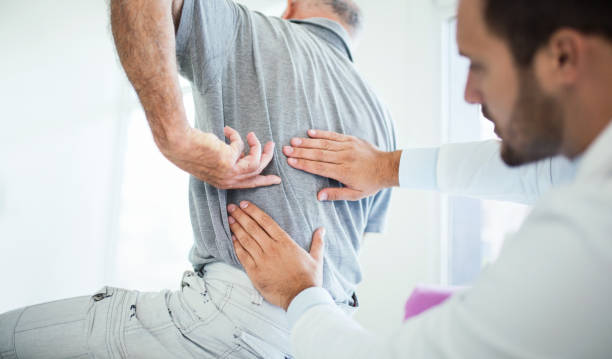
Rehab-Led Care in Ballina, Co. Mayo
Have you persistent or recurring pain?
Feel stiff, restricted, os sore after sitting or sleeping?
Have you tried treatments that only helped temporarily?
Do you want clarity instead of guesswork?
Do you want to return to walking, exercise, work, or daily life with confidence?
If you're looking for a quick fix or passive treatment alone, we may not be the right fit. If you're ready to take action, we can help.
Why Pain Often Doesn't Resolve On Its Own
Pain is often dismissed as "just a strain" or something that will settle with time.
In reality, ongoing pain is usually linked to:
Reduced movement or stiffness
Weakness
Poor Posture
Previous injuries that never fully resolved
Without addressing these factors, symptoms may settle briefly but tend to return.
Long-standing pain is one of the most common issues we see in our clinic, and responds quite well to our structured rehabilitation approach.
Why Pain Often Doesn't Resolve On Its Own
Pain is often dismissed as "just a strain" or something that will settle with time.
In reality, ongoing pain is usually linked to:
● Reduced movement or stiffness
● Weakness
● Poor Posture
● Previous injuries that never fully resolved
Without addressing these factors, symptoms may settle briefly but tend to return.
Long-standing pain is one of the most common issues we see in our clinic, and responds quite well to our structured rehabilitation approach.
The ARC Rehab Process
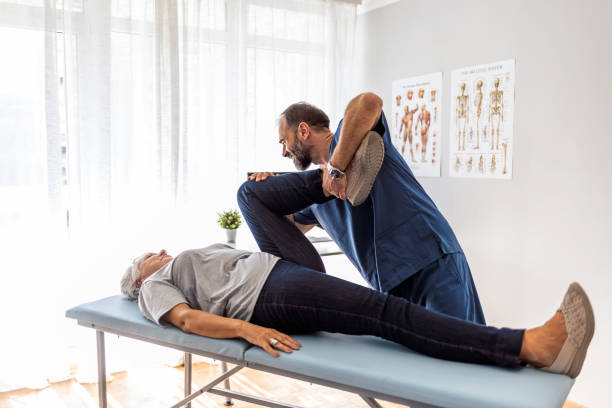
1. Comprehensive Assessment
Our practitioners will examine:
Your Spinal & Joint movement
Your pain history and daily challenges
Strength, flexibility & mobility
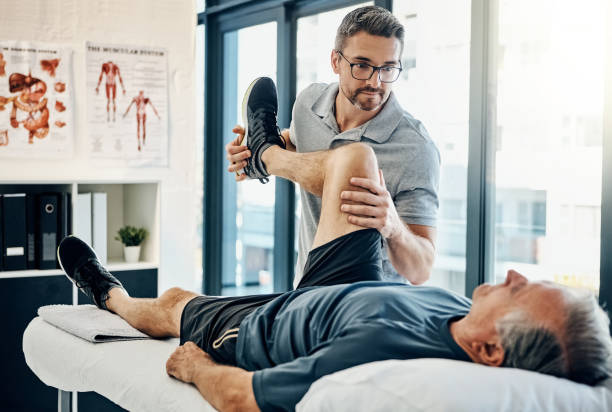
2. Clear Explanation & Personalised Plan
Whats the problem is
Why it happened
How long it will take to fix
What is exactly needed to fix it
The Plan is tailored to you - not based on a generic template.
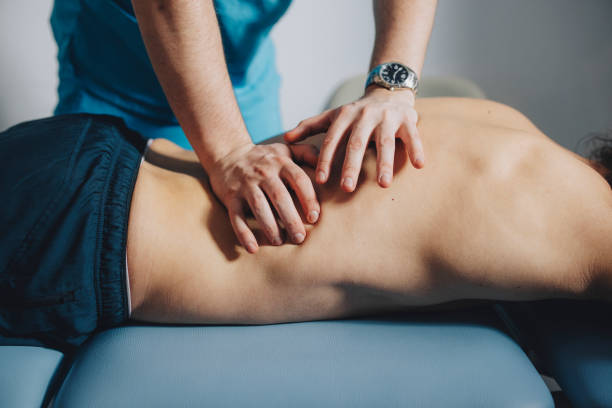
3. Rehabilitation & Recovery
Targeted movement and exercise therapy
Progressive Strengthening
Hands-on treatment
Home exercises to support recovery and prevent recurrence.
Tired of Living With Pain? We Can Help
Not sure what to do next?
Please fill out the form below and chat with one of our team members about your right next step
I give consent to use this information to send additional emails and communications. By providing my phone number, I agree to receive text messages from the business as described in your privacy policy
Tired of Living With Pain? We Can Help
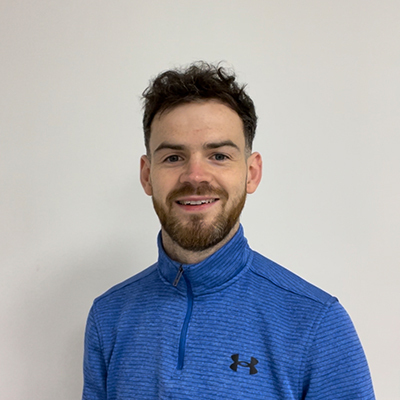
Not sure who to ask?
Not sure what to do next?
Not sure who can help?
Please fill out the form and chat with one of our team members about your right next step
I give consent to use this information to send additional emails and communications. By providing my phone number, I agree to receive text messages from the business as described in your privacy policy
Frequently Asked Questions About Low Back Pain
What causes low back pain?
Low back pain can have various causes, including muscle strains, ligament sprains, herniated discs, degenerative disc disease, spinal stenosis, or sometimes, underlying conditions like arthritis or osteoporosis.
How is low back pain diagnosed?
Diagnosis typically involves a physical examination by a healthcare professional to assess range of motion, strength, and any signs of nerve involvement. Imaging tests like X-rays, MRI, or CT scans may be ordered to identify specific issues.
What are the best treatments for low back pain?
Treatment depends on the cause and severity but often involves a combination of rest, pain management (e.g., medication or injections), physical therapy, exercises to strengthen the back and core muscles, and sometimes, surgery for severe cases.
How long does it take to recover from low back pain?
Recovery time varies based on the cause and individual factors. Acute cases might improve within a few days or weeks with proper care, while chronic issues might require ongoing management and take longer to alleviate.
Should I rest or stay active when experiencing low back pain?
While rest is essential in the acute phase, prolonged bed rest isn't recommended. Gradual return to normal activities and gentle exercises, as advised by a healthcare professional, can often help with recovery and prevent stiffness.
What lifestyle changes can help prevent low back pain?
Maintaining a healthy weight, regular exercise to strengthen core muscles, maintaining good posture, using proper body mechanics during lifting, and avoiding prolonged sitting or standing can help reduce the risk of low back pain.
When should I see a rehabilitation specialist for my low back pain?
It's advisable to see a rehabilitation specialist if the pain is severe, persistent, or worsens over time, if it's accompanied by weakness or numbness in the legs, or if it follows an injury or trauma.
Can low back pain be cured completely?
In many cases, low back pain can be managed effectively, allowing individuals to lead normal lives. However, some chronic conditions may require ongoing management to control symptoms and prevent flare-ups.
Are there specific exercises that can help with low back pain?
Yes, exercises focusing on strengthening core muscles, stretching, and improving flexibility can often alleviate low back pain. Your healthcare provider or rehabilitation specialist can recommend specific exercises tailored to your condition.
Are there ergonomic adjustments I can make to reduce low back pain at work?
Yes, using ergonomic chairs, adjusting desk height, maintaining proper posture while sitting, taking breaks to stretch, and lifting objects correctly can significantly reduce strain on the lower back during work.
Please note that these FAQs provide general information and should not replace personalised advice from a qualified healthcare professional. It is important to consult with a trusted rehabilitation specialist to assess your individual case and determine the most suitable treatment plan for your back pain.
If you have any questions before scheduling an appointment or for general inquiries, please use the contact us button below. Our team will promptly reach out to assist you.
Opening Hours
Monday: 9:30am – 8:00pm
Tuesday: 9:30am – 8:00pm
Wednesday: 9:30am – 8:00pm
Thursday: 9:30am – 8:00pm
Friday: 9:30am – 1:00pm
Saturday: Closed
Sunday: Closed
The Clinic
Conditions We Treat
Opening Hours
Monday: 9:30am – 8:00pm
Tuesday: 9:30am – 8:00pm
Wednesday: 9:30am – 8:00pm
Thursday: 9:30am – 8:00pm
Friday: 9:30am – 1:00pm
Saturday: Closed
Sunday: Closed
How To Get In Touch
© Copyright 2026 ARC Rehabilitation & Pilates. All Rights Reserved.