Tips & Advice From ARC Rehabilitation & Pilates
Tips & Advice From ARC Rehabilitation & Pilates
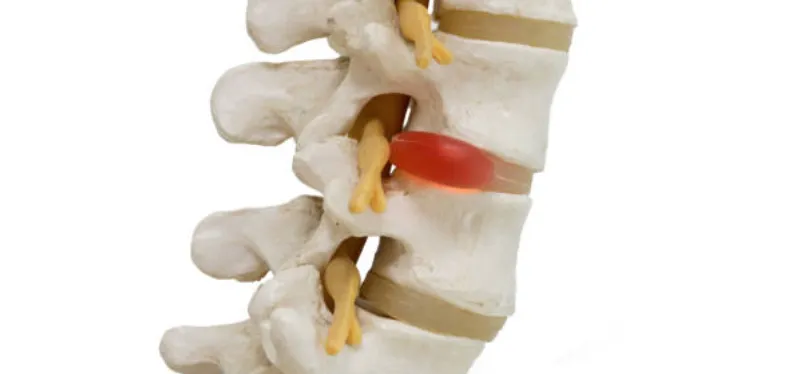
“I've a Bulging Disc”, Why That Might Not Be the Real Problem

“I've a Bulging Disc”, Why That Might Not Be the Real Problem
One of the most common things we hear in clinic is:
“My MRI showed a disc bulge.”
Or:
“I’ve a slipped disc.”
“There’s wear and tear in my spine.”
“The scan showed something wrong with my back.”
You can usually hear the worry behind it.
And that worry makes sense. Those words sound serious. Permanent. Like something is damaged.
But here is the part most people are not told clearly.
Just because your scan shows a disc bulge does not automatically mean it is causing your pain.
Scans Often Show Changes That Are Not the Problem
MRI scans are very detailed. They can show small changes in the discs, joints and bones of the spine.
But here is something that surprises most people.
Lots of people with no back pain at all, have disc bulges.
Lots of people living normal, active lives have “wear and tear” showing on a scan.
It is extremely common.
Very often, the report will include an important detail that gets overlooked:
There is no nerve being compressed.
That matters.
Because if a disc is not pressing on or irritating a nerve, it is unlikely to be the main reason for leg pain or sciatica.
Not All Disc Bulges Are the Same
This is where confusion creeps in.
A scan might show:
A disc bulge that is not touching a nerve
A disc bulge that is close to a nerve
A disc bulge that is clearly pressing on a nerve
Those are three very different situations.
They do not produce identical symptoms.
They do not feel the same.
And they do not require the same management.
That is why two people can both be told they have a “bulging disc” yet have completely different experiences.
The wording alone does not tell the full story.
Sciatica Is Not Always Caused by a Disc
Sciatica, simply describes pain that travels down the leg.
It does not automatically mean a disc is to blame.
Leg pain can also be influenced by narrowing around the spine, irritated joints, muscle tension around the pelvis, or reduced movement through the hips and lower back.
This is why relying on a scan alone often creates more fear than clarity.
Pain is about how your body is functioning, not just what shows up on an image.
Fear Can Keep Pain Around Longer
When someone is told they have wear and tear or a slipped disc, they often become protective.
They avoid bending.
They avoid lifting.
They stop exercising.
They start to feel fragile.
But the spine is strong.
Changes on a scan do not automatically mean you are damaged or broken.
In many cases, fear and avoidance can keep the pain cycle going longer than necessary.
This Is Where Proper Assessment Matters
At ARC Rehabilitation & Pilates in Ballina, we do not treat a scan.
We treat the person in front of us.
We look at:
What movements bring on your symptoms
What makes them ease
What it is stopping you from doing
How your back and hips are actually moving
Sometimes the scan findings are relevant.
Sometimes they are not the main driver.
Our job is to connect the dots properly and give you a clear, structured plan.
Not generic stretches.
Not random exercises.
But a rehabilitation approach designed around your body and your symptoms.
What This Means for You
Being told you have a bulging or slipped disc can feel overwhelming.
But those words on a scan do not automatically mean serious damage.
They do not automatically explain your pain.
And they do not mean your back is fragile.
Back pain and sciatica are often far more manageable than people are led to believe once the full picture is properly understood.
At ARC Rehabilitation & Pilates in Ballina, we take the time to assess your symptoms thoroughly, understand what is truly driving your pain, and create a clear plan to help you move forward with confidence.
We do not rely on generic advice or standard exercise sheets.
We investigate the cause, explain it in simple terms, and guide you through a structured rehabilitation plan designed specifically for you.
If you are currently dealing with back pain or sciatica and are unsure what your scan really means, or what your next step should be, we would be more than happy to help.
👉 Book an appointment with us today - Book An Appointment
Let’s take the fear out of your diagnosis and help you get back to moving confidently again

“I've a Bulging Disc”, Why That Might Not Be the Real Problem
“I've a Bulging Disc”, Why That Might Not Be the Real Problem
One of the most common things we hear in clinic is:
“My MRI showed a disc bulge.”
Or:
“I’ve a slipped disc.”
“There’s wear and tear in my spine.”
“The scan showed something wrong with my back.”
You can usually hear the worry behind it.
And that worry makes sense. Those words sound serious. Permanent. Like something is damaged.
But here is the part most people are not told clearly.
Just because your scan shows a disc bulge does not automatically mean it is causing your pain.
Scans Often Show Changes That Are Not the Problem
MRI scans are very detailed. They can show small changes in the discs, joints and bones of the spine.
But here is something that surprises most people.
Lots of people with no back pain at all, have disc bulges.
Lots of people living normal, active lives have “wear and tear” showing on a scan.
It is extremely common.
Very often, the report will include an important detail that gets overlooked:
There is no nerve being compressed.
That matters.
Because if a disc is not pressing on or irritating a nerve, it is unlikely to be the main reason for leg pain or sciatica.
Not All Disc Bulges Are the Same
This is where confusion creeps in.
A scan might show:
A disc bulge that is not touching a nerve
A disc bulge that is close to a nerve
A disc bulge that is clearly pressing on a nerve
Those are three very different situations.
They do not produce identical symptoms.
They do not feel the same.
And they do not require the same management.
That is why two people can both be told they have a “bulging disc” yet have completely different experiences.
The wording alone does not tell the full story.
Sciatica Is Not Always Caused by a Disc
Sciatica, simply describes pain that travels down the leg.
It does not automatically mean a disc is to blame.
Leg pain can also be influenced by narrowing around the spine, irritated joints, muscle tension around the pelvis, or reduced movement through the hips and lower back.
This is why relying on a scan alone often creates more fear than clarity.
Pain is about how your body is functioning, not just what shows up on an image.
Fear Can Keep Pain Around Longer
When someone is told they have wear and tear or a slipped disc, they often become protective.
They avoid bending.
They avoid lifting.
They stop exercising.
They start to feel fragile.
But the spine is strong.
Changes on a scan do not automatically mean you are damaged or broken.
In many cases, fear and avoidance can keep the pain cycle going longer than necessary.
This Is Where Proper Assessment Matters
At ARC Rehabilitation & Pilates in Ballina, we do not treat a scan.
We treat the person in front of us.
We look at:
What movements bring on your symptoms
What makes them ease
What it is stopping you from doing
How your back and hips are actually moving
Sometimes the scan findings are relevant.
Sometimes they are not the main driver.
Our job is to connect the dots properly and give you a clear, structured plan.
Not generic stretches.
Not random exercises.
But a rehabilitation approach designed around your body and your symptoms.
What This Means for You
Being told you have a bulging or slipped disc can feel overwhelming.
But those words on a scan do not automatically mean serious damage.
They do not automatically explain your pain.
And they do not mean your back is fragile.
Back pain and sciatica are often far more manageable than people are led to believe once the full picture is properly understood.
At ARC Rehabilitation & Pilates in Ballina, we take the time to assess your symptoms thoroughly, understand what is truly driving your pain, and create a clear plan to help you move forward with confidence.
We do not rely on generic advice or standard exercise sheets.
We investigate the cause, explain it in simple terms, and guide you through a structured rehabilitation plan designed specifically for you.
If you are currently dealing with back pain or sciatica and are unsure what your scan really means, or what your next step should be, we would be more than happy to help.
👉 Book an appointment with us today - Book An Appointment
Let’s take the fear out of your diagnosis and help you get back to moving confidently again
Ask ARC Rehabilitation & Pilates And Their Team
Fill in the form to request a call from our team. One of our team members will call you for FREE and answer any questions or concerns you may have about your condition
I give consent to use this information to send additional emails and communications. By providing my phone number, I agree to receive text messages from the business as described in your privacy policy
Ask ARC Rehabilitation & Pilates And Their Team
Fill in the form to request a call from our team. One of our team members will call you for FREE and answer any questions or concerns you may have about your condition
I give consent to use this information to send additional emails and communications. By providing my phone number, I agree to receive text messages from the business as described in your privacy policy
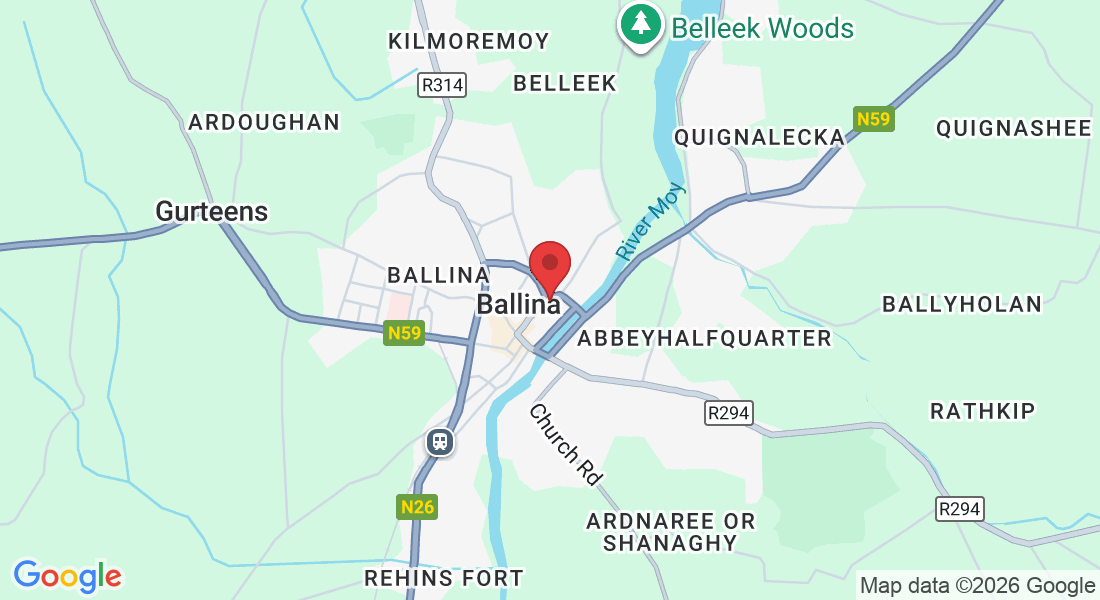
Where To Find ARC Rehabilitation & Pilates
If you have any questions before scheduling an appointment or for general inquiries, please use the contact us button below. Our team will promptly reach out to assist you.
Opening Hours
Monday: 9:30am – 8:00pm
Tuesday: 9:30am – 8:00pm
Wednesday: 9:30am – 8:00pm
Thursday: 9:30am – 8:00pm
Friday: 9:30am – 1:00pm
Saturday: Closed
Sunday: Closed
The Clinic
Conditions We Treat
Opening Hours
Monday: 9:30am – 8:00pm
Tuesday: 9:30am – 8:00pm
Wednesday: 9:30am – 8:00pm
Thursday: 9:30am – 8:00pm
Friday: 9:30am – 1:00pm
Saturday: Closed
Sunday: Closed
How To Get In Touch
© Copyright 2026 ARC Rehabilitation & Pilates. All Rights Reserved.