Tips & Advice From ARC Rehabilitation & Pilates
Tips & Advice From ARC Rehabilitation & Pilates
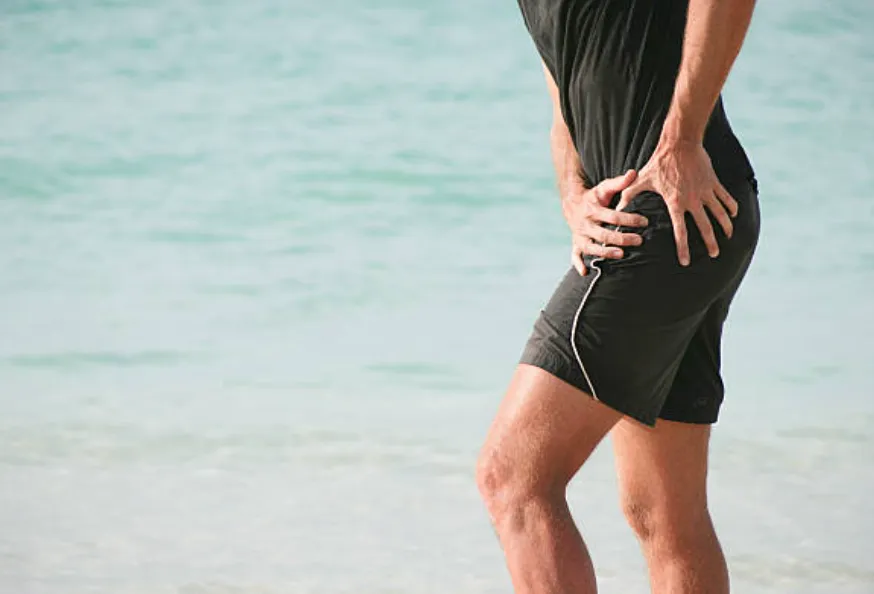
Hip Impingement: Why Surgery Isn’t Always The Answer
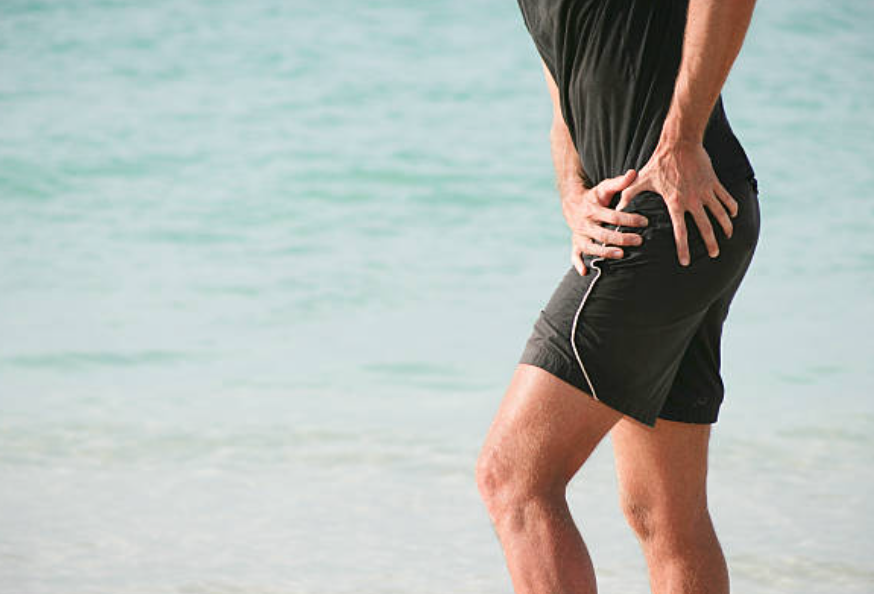
Hip Impingement: Why Surgery Isn’t Always The Answer
If you’re a runner, Gaelic footballer, footballer, or someone who’s constantly active, there’s a good chance you’ve heard the words:
“You’ve got hip impingement.”
For most people, that diagnosis immediately creates fear.
They’re told:
“There’s bone rubbing.”
“The hip is pinching.”
“You’ll probably need surgery.”
And while surgery absolutely has its place in some situations, what often gets missed is a very important question:
Why did the hip become irritated in the first place?
Because hips don’t just randomly start getting pinched for no reason.
What Is Hip Impingement?
Hip impingement, also known as femoroacetabular impingement (FAI), happens when the ball and socket of the hip don’t move together as smoothly as they should.
For runners and field sport athletes, this usually shows up as:
Groin pain
Sharp pain at the front of the hip
Pain sprinting
Pain changing direction
Tightness after running
Pain lifting the knee
Reduced speed or power
Feeling stiff after training or matches
And here’s the important part…
A lot of athletes have signs of hip impingement on scans and have absolutely no pain at all.
Just like disc bulges in the back, scans don’t always tell the full story.
The Mistake Most People Make
One of the biggest problems we see is athletes becoming obsessed with the scan result.
They start believing:
“My hip is damaged.”
“My bone is the issue.”
“I just need surgery to shave it down.”
But often, the real issue is how the hip is functioning under load.
Because if:
The hip lacks mobility
The glutes aren’t doing their job properly
The body isn’t tolerating running loads well
Strength and stability are poor
Training loads are too high
…then the front of the hip starts taking more stress than it should.
That’s usually when symptoms begin.
Why Surgery Isn’t Always The Magic Fix
Surgery for hip impingement usually involves shaving away part of the bone to create more space in the joint.
And yes, for some people, this can absolutely help.
But here’s the problem…
If you never address why the hip became overloaded in the first place, symptoms often return.
Because surgery changes the structure.
It doesn’t automatically improve:
Running mechanics
Strength
Mobility
Load tolerance
Movement quality
Training habits
That’s why some athletes improve after surgery temporarily…
Only for the same pain to gradually creep back in again later.
Most Athletes Don’t Need To Stop Training Completely
Another huge mistake is complete rest.
A lot of runners and footballers are told:
“Stop running.”
“Stop training.”
“Take a few months off.”
But total rest rarely fixes the actual problem long term.
Usually, what’s needed is:
Better load management
Better rehab
Better strength work
Better hip mobility
Gradual progression back into sport
The goal shouldn’t be avoiding movement forever.
It should be building a hip that can tolerate movement properly again.
What We Focus On At ARC Rehabilitation & Pilates
At ARC Rehabilitation & Pilates, we don’t just focus on what the scan says.
We focus on:
Why the hip became irritated
What movements are triggering symptoms
What the body currently struggles to tolerate
What strength or mobility is missing
How to get you back running and training properly
For most runners and field sport athletes, rehab needs to focus on:
Hip mobility
Glute strength
Core strength
Running load management
Gradually rebuilding confidence in movement again
Because long-term results don’t come from chasing pain.
They come from building a body that’s stronger, more capable, and more resilient.
Final Thoughts
Being told you have hip impingement does not automatically mean surgery is your only option.
And it definitely doesn’t mean your hip is ruined.
In many cases, the body simply needs to become stronger, move better, and tolerate load more efficiently again.
The important thing is understanding why the hip became irritated in the first place.
Because if you only shave away the impingement…
…but never fix the reason it happened…
You’re usually just chasing the same problem in circles.
What This Means for You
At ARC Rehabilitation & Pilates in Ballina, we help people every day who feel stuck with ongoing hip pain.
We take the time to understand what’s actually causing it and guide you through a structured plan to fix it properly.
If you’re tired of the cycle of pain, rest, and flare-ups, we would be happy to help.
👉 Book an appointment with us today - Book An Appointment
Physio Ballina Physiotherapist Ballina physiotherapy physio mayo physio near me sports physio pilates reformer pilates

Hip Impingement: Why Surgery Isn’t Always The Answer
Hip Impingement: Why Surgery Isn’t Always The Answer
If you’re a runner, Gaelic footballer, footballer, or someone who’s constantly active, there’s a good chance you’ve heard the words:
“You’ve got hip impingement.”
For most people, that diagnosis immediately creates fear.
They’re told:
“There’s bone rubbing.”
“The hip is pinching.”
“You’ll probably need surgery.”
And while surgery absolutely has its place in some situations, what often gets missed is a very important question:
Why did the hip become irritated in the first place?
Because hips don’t just randomly start getting pinched for no reason.
What Is Hip Impingement?
Hip impingement, also known as femoroacetabular impingement (FAI), happens when the ball and socket of the hip don’t move together as smoothly as they should.
For runners and field sport athletes, this usually shows up as:
Groin pain
Sharp pain at the front of the hip
Pain sprinting
Pain changing direction
Tightness after running
Pain lifting the knee
Reduced speed or power
Feeling stiff after training or matches
And here’s the important part…
A lot of athletes have signs of hip impingement on scans and have absolutely no pain at all.
Just like disc bulges in the back, scans don’t always tell the full story.
The Mistake Most People Make
One of the biggest problems we see is athletes becoming obsessed with the scan result.
They start believing:
“My hip is damaged.”
“My bone is the issue.”
“I just need surgery to shave it down.”
But often, the real issue is how the hip is functioning under load.
Because if:
The hip lacks mobility
The glutes aren’t doing their job properly
The body isn’t tolerating running loads well
Strength and stability are poor
Training loads are too high
…then the front of the hip starts taking more stress than it should.
That’s usually when symptoms begin.
Why Surgery Isn’t Always The Magic Fix
Surgery for hip impingement usually involves shaving away part of the bone to create more space in the joint.
And yes, for some people, this can absolutely help.
But here’s the problem…
If you never address why the hip became overloaded in the first place, symptoms often return.
Because surgery changes the structure.
It doesn’t automatically improve:
Running mechanics
Strength
Mobility
Load tolerance
Movement quality
Training habits
That’s why some athletes improve after surgery temporarily…
Only for the same pain to gradually creep back in again later.
Most Athletes Don’t Need To Stop Training Completely
Another huge mistake is complete rest.
A lot of runners and footballers are told:
“Stop running.”
“Stop training.”
“Take a few months off.”
But total rest rarely fixes the actual problem long term.
Usually, what’s needed is:
Better load management
Better rehab
Better strength work
Better hip mobility
Gradual progression back into sport
The goal shouldn’t be avoiding movement forever.
It should be building a hip that can tolerate movement properly again.
What We Focus On At ARC Rehabilitation & Pilates
At ARC Rehabilitation & Pilates, we don’t just focus on what the scan says.
We focus on:
Why the hip became irritated
What movements are triggering symptoms
What the body currently struggles to tolerate
What strength or mobility is missing
How to get you back running and training properly
For most runners and field sport athletes, rehab needs to focus on:
Hip mobility
Glute strength
Core strength
Running load management
Gradually rebuilding confidence in movement again
Because long-term results don’t come from chasing pain.
They come from building a body that’s stronger, more capable, and more resilient.
Final Thoughts
Being told you have hip impingement does not automatically mean surgery is your only option.
And it definitely doesn’t mean your hip is ruined.
In many cases, the body simply needs to become stronger, move better, and tolerate load more efficiently again.
The important thing is understanding why the hip became irritated in the first place.
Because if you only shave away the impingement…
…but never fix the reason it happened…
You’re usually just chasing the same problem in circles.
What This Means for You
At ARC Rehabilitation & Pilates in Ballina, we help people every day who feel stuck with ongoing hip pain.
We take the time to understand what’s actually causing it and guide you through a structured plan to fix it properly.
If you’re tired of the cycle of pain, rest, and flare-ups, we would be happy to help.
👉 Book an appointment with us today - Book An Appointment
Physio Ballina Physiotherapist Ballina physiotherapy physio mayo physio near me sports physio pilates reformer pilates
Ask ARC Rehabilitation & Pilates And Their Team
Fill in the form to request a call from our team. One of our team members will call you for FREE and answer any questions or concerns you may have about your condition
I give consent to use this information to send additional emails and communications. By providing my phone number, I agree to receive text messages from the business as described in your privacy policy
Ask ARC Rehabilitation & Pilates And Their Team
Fill in the form to request a call from our team. One of our team members will call you for FREE and answer any questions or concerns you may have about your condition
I give consent to use this information to send additional emails and communications. By providing my phone number, I agree to receive text messages from the business as described in your privacy policy
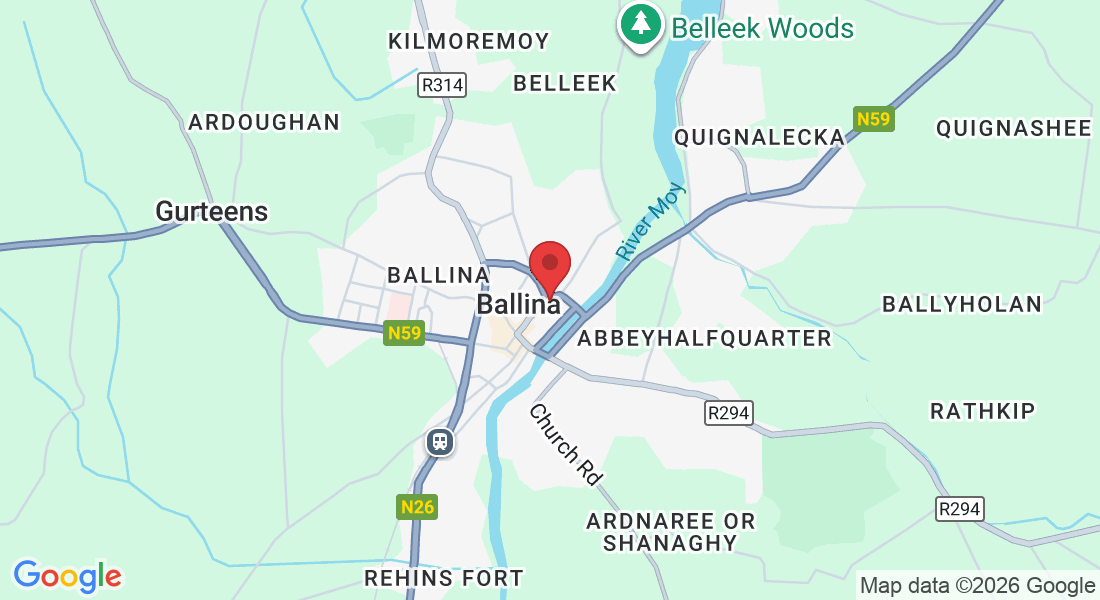
Where To Find ARC Rehabilitation & Pilates
If you have any questions before scheduling an appointment or for general inquiries, please use the contact us button below. Our team will promptly reach out to assist you.
Opening Hours
Monday: 9:30am – 8:00pm
Tuesday: 9:30am – 8:00pm
Wednesday: 9:30am – 8:00pm
Thursday: 9:30am – 8:00pm
Friday: 9:30am – 1:00pm
Saturday: Closed
Sunday: Closed
The Clinic
Conditions We Treat
Opening Hours
Monday: 9:30am – 8:00pm
Tuesday: 9:30am – 8:00pm
Wednesday: 9:30am – 8:00pm
Thursday: 9:30am – 8:00pm
Friday: 9:30am – 1:00pm
Saturday: Closed
Sunday: Closed
How To Get In Touch
© Copyright 2026 ARC Rehabilitation & Pilates. All Rights Reserved.